Crypto-Backed Republican Triumph in Alabama Senate Runoff Ahead of June Primaries
By Abdus Salam
142 Views
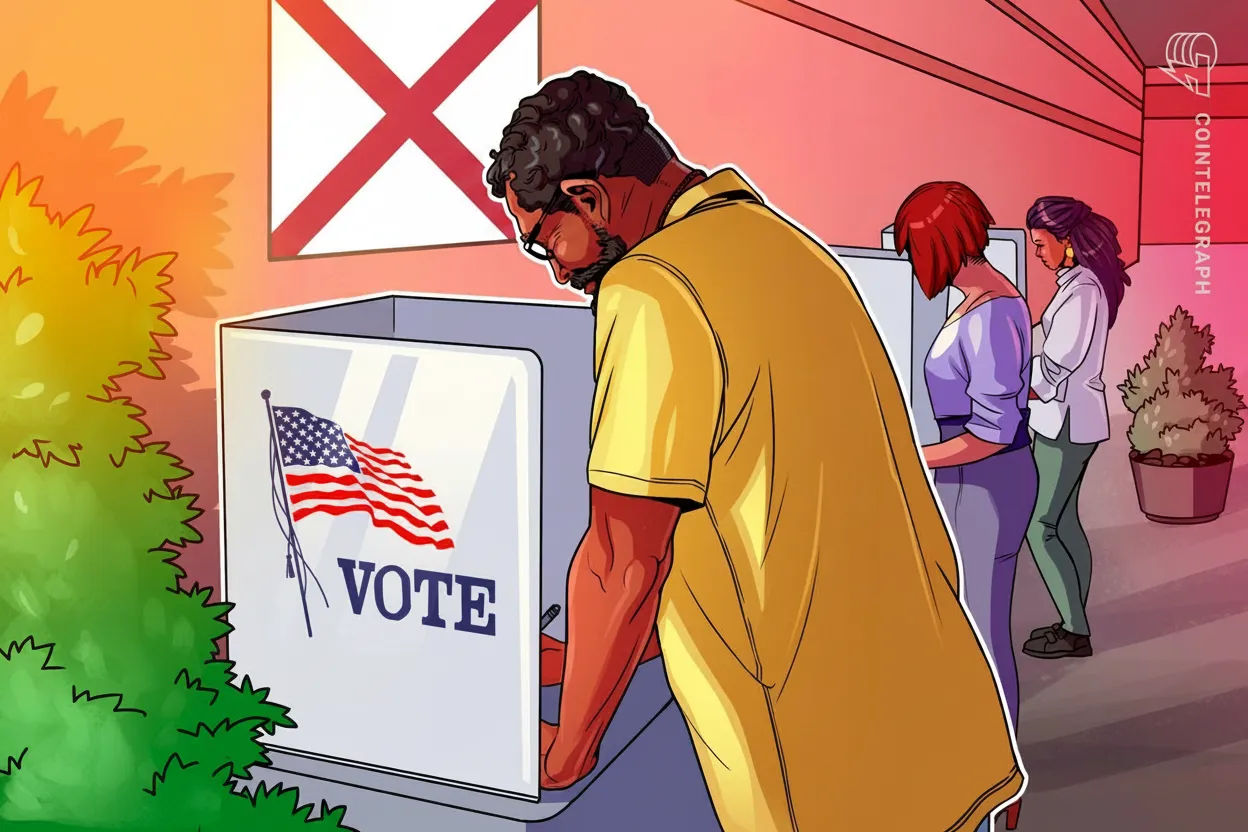
In a significant political upset, a Republican candidate backed by a cryptocurrency-focused political action committee claimed victory in Alabama's Senate runoff this week, setting the stage for intense primaries across the country next month.
The candidate's victory was bolstered by what the supporting PAC termed its "largest campaign expenditure this election cycle," highlighting the growing influence of digital currencies in American politics. As states gear up for their upcoming primaries, the implications of this investment could resonate well beyond Alabama.
Crypto Influence in Politics
This runoff represents a crucial test of the crypto industry's ability to sway political outcomes, with advocates arguing that cryptocurrency can democratize campaign financing. The backing of the candidate signals a potent alliance between emerging financial technologies and traditional political landscapes, which are increasingly challenging the status quo.
As election season heats up, other Republican contenders nationwide are closely observing the Alabama results, assessing whether similar strategies could be adopted in their own campaigns. Voter engagement driven by crypto enthusiasts could reshape the electorate, which has been traditionally resistant to new financial paradigms.
Preparing for a Heated June
With primaries looming across several states, the political landscape is poised for a series of surprises. Analysts predict that the Alabama runoff may serve as a bellwether for how effectively cryptocurrency can mobilize support in broader election scenarios. The GOP's strategy might become increasingly focused on harnessing digital financial backing as they approach the critical voting period.
Political observers will be watching closely to see how the success of the crypto-backed candidate influences not just the Republican agenda but the overall narrative of the upcoming elections. As the stakes rise, the interplay between innovative financial organizations and political machinery will undoubtedly shape the future of US governance.