Losing Sleep Over a Foreclosure Notice? Here's What a Bankruptcy Filing Can and Can't Do
By Abdus Salam
13 Views
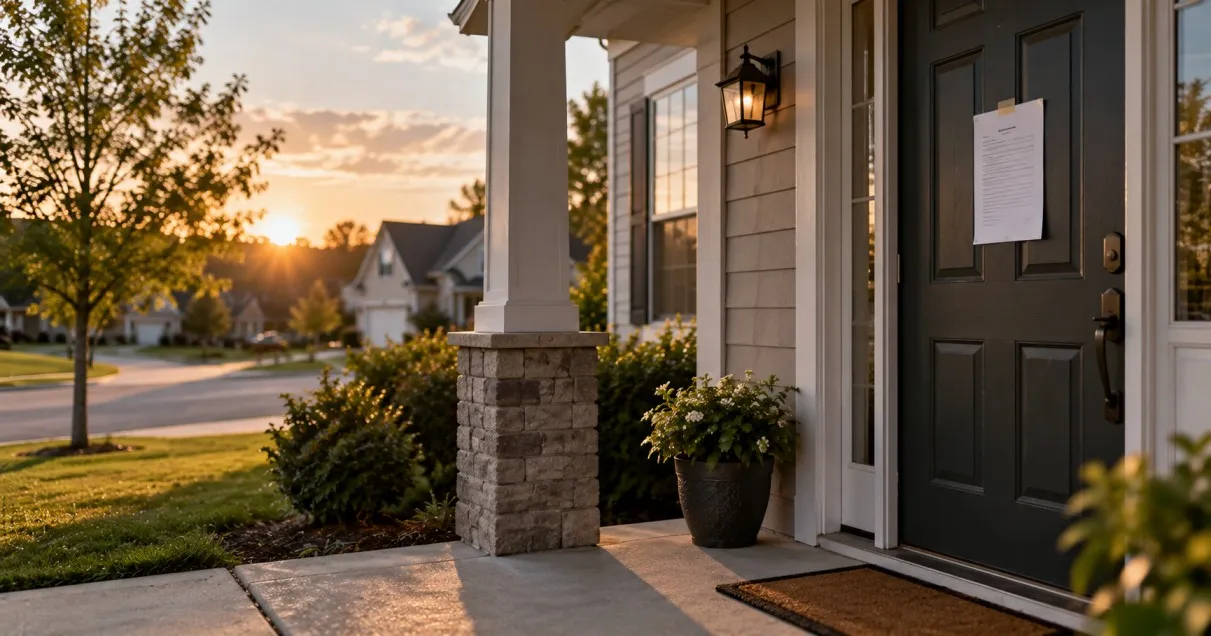
Opening the mail to find a foreclosure notice is a gut punch. The clock feels like it's already running, and there may be a sale date on the calendar. Many homeowners in this position wonder if bankruptcy offers any way out. The short answer is that it can pause the process, and in the right circumstances it can help you keep the house, but it isn't a magic fix.
The Automatic Stay: Your Immediate Protection
The moment a bankruptcy petition is filed, a federal protection called the automatic stay takes effect. It generally forces your lender to stop the foreclosure right away, including a scheduled sale. Even a filing made shortly before the sale date can halt it. If you've been asking will filing for bankruptcy stop a foreclosure, the stay is the reason the answer is often yes, at least for a while.
However, the pause isn't permanent by default. Lenders can ask the court to lift the stay, and the judge may agree if you're not making progress on the mortgage.
How Chapter 13 Helps You Keep the Home
Chapter 13 is usually the tool for saving a house that is in danger. Rather than eliminating the mortgage, it lets you spread missed payments over a repayment plan lasting three to five years, while you continue making your regular monthly payments on top. If the plan is completed, the arrears are cured and the foreclosure is resolved.
Some things that make Chapter 13 useful here:
- You can catch up on missed payments without paying them all at once.
- The stay generally remains in place as long as you follow the plan.
- Other unsecured debts, like credit cards, can be handled in the same plan, freeing up cash flow.
What Chapter 7 Can Do
Chapter 7 offers a shorter delay. It can erase unsecured debts, which may free up money to pay the mortgage, and it stops the sale while the case is open. The catch is that it doesn't create a way to catch up on arrears. If you can't afford your regular payments once the case ends, the lender can resume foreclosure. For that reason, Chapter 7 mainly helps people whose other debts are the real problem, or who are planning to leave the property anyway and want extra time.
Limits You Should Know About
Filing repeatedly to delay a sale can backfire. If you had a bankruptcy case dismissed within the past year, the stay may last only about thirty days unless you ask the court to extend it, and it can be even more limited after multiple dismissals. Courts look closely at cases they believe were filed only to stall.
Also remember that bankruptcy doesn't wipe out the lien on your home. You still owe the mortgage, and the lender keeps the right to take the property if the loan isn't kept current.
Timing Matters
The earlier you act, the more options you have. Waiting until the day before a sale leaves little room to prepare, and rushed filings can be incomplete or dismissed. Ideally, you'd contact an attorney as soon as you receive a notice of default, so you can compare bankruptcy with other routes, such as a loan modification, forbearance, or a repayment agreement with your servicer.
Documents to Have Ready
Gather your mortgage statements, the foreclosure notices you've received, recent pay stubs, and a list of other debts. That information will help an attorney quickly judge whether you have a realistic path to keeping the home.
Where to Go From Here
If a sale date is approaching, treat it as urgent. A short consultation can clarify whether a filing makes sense for you or whether another approach fits better, and it might leave you with more time and more choices than you expected.